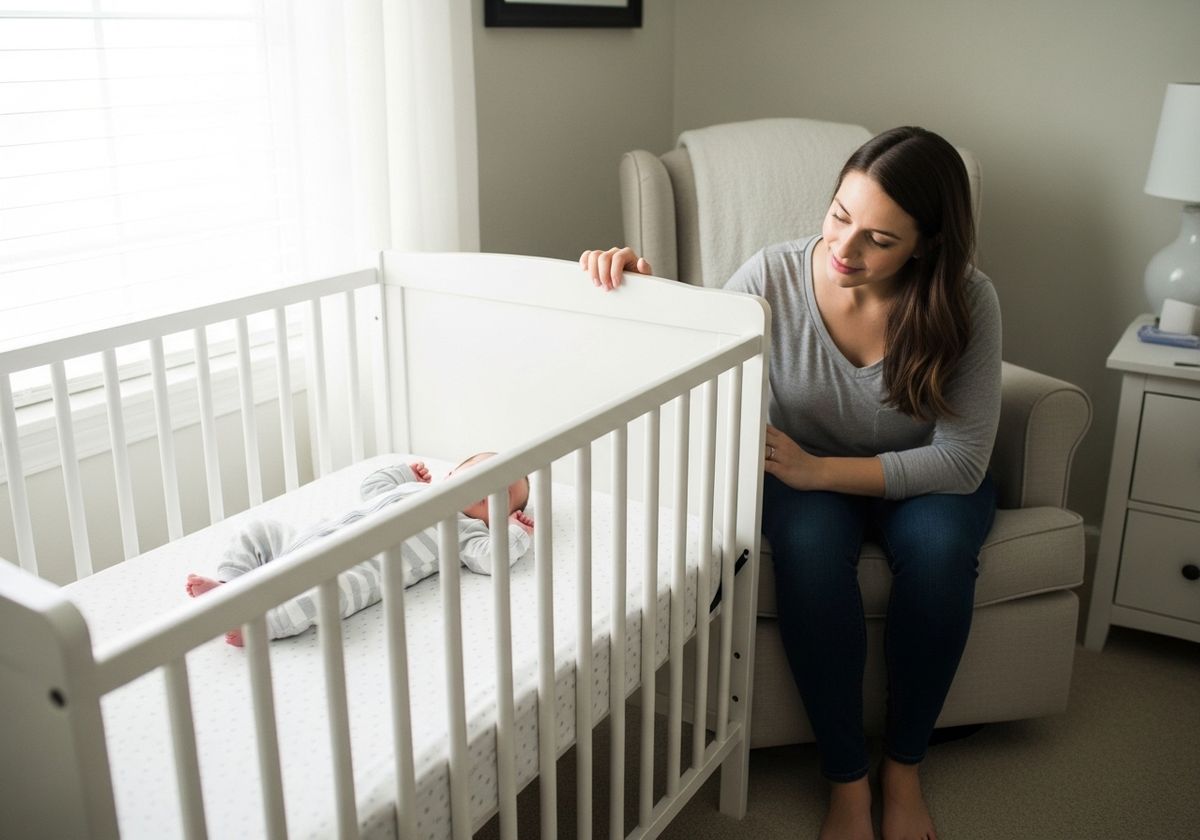
Creating a safe sleep environment for your newborn is one of the most important things you can do as a new parent. It significantly reduces the risk of sleep-related accidents and promotes healthy development. Understanding and implementing safe sleep practices can feel overwhelming, but by focusing on a few key guidelines, you can create a secure and peaceful space for your baby to rest.

The Basics of Safe Sleep
The American Academy of Pediatrics (AAP) provides clear recommendations for creating a safe sleep environment. These guidelines are based on extensive research and are designed to minimize risks.
Back to Sleep: Always place your baby on their back for every sleep, whether it's a nap or bedtime. This position has been shown to be the safest for infants.
Firm Sleep Surface: Use a firm, flat sleep surface in a safety-approved crib, bassinet, or portable play yard. Avoid soft mattresses, pillows, and other soft bedding.
Bare Crib: Keep the crib bare. This means no pillows, blankets, bumpers, or toys. These items can increase the risk of suffocation or entrapment.
Room Sharing: The AAP recommends that infants sleep in the same room as their parents (or caregivers) for at least the first six months, and ideally for the first year. This can help reduce the risk of SIDS.
Avoid Overheating: Dress your baby in light clothing and avoid overheating. The room temperature should be comfortable for an adult.
Reducing Risks
Beyond the basics, there are other steps you can take to create an even safer sleep environment:
Avoid Using Sleep Positioners: These products are not recommended and can be dangerous.
Offer a Pacifier: If your baby takes a pacifier, offer it at nap time and bedtime, but don't force it if they refuse. If the pacifier falls out after your baby is asleep, don't put it back in.
Avoid Smoking: Keep your baby away from cigarette smoke. Exposure to smoke increases the risk of SIDS.
Breastfeeding: Breastfeeding is associated with a reduced risk of SIDS. If you are unable to breastfeed, provide your baby with formula.
The Role of a Newborn Care Specialist
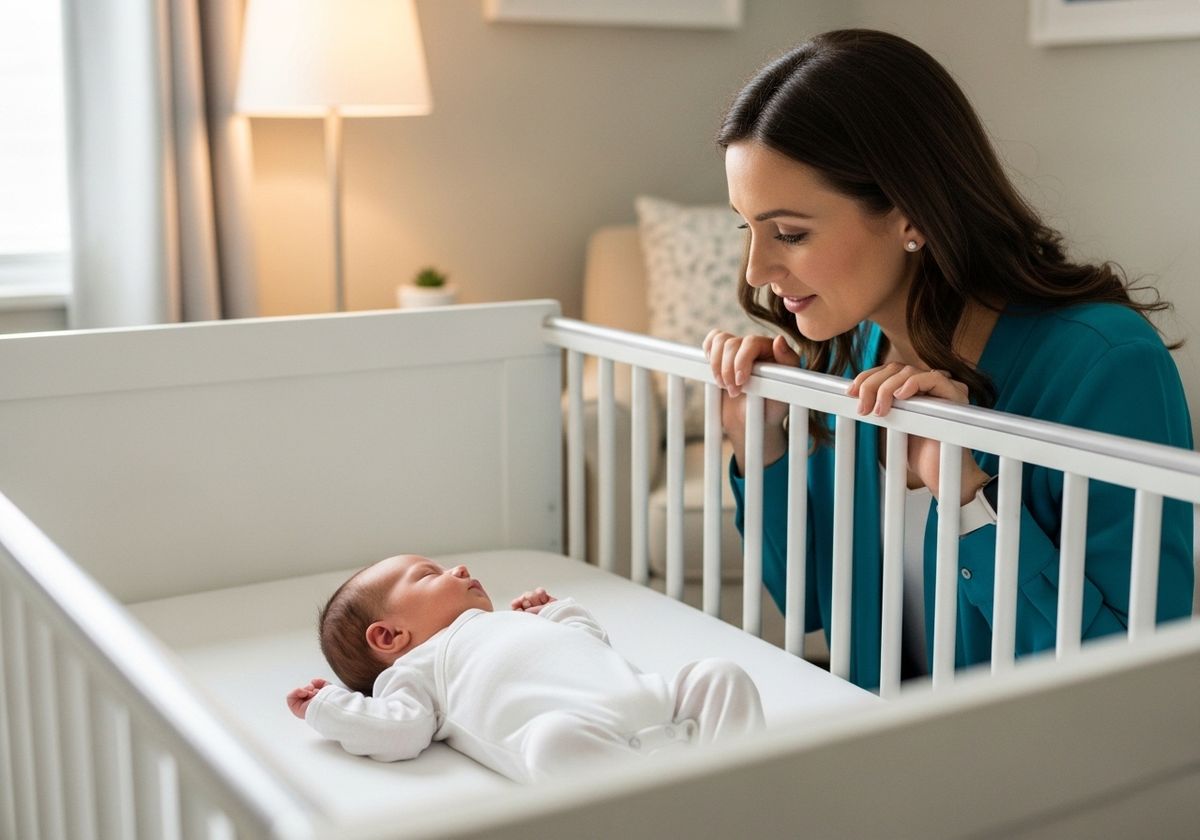
Bringing a newborn home can be both joyous and exhausting. Many parents find it helpful to have extra support during the first few weeks or months. A Newborn Care Specialist (NCS) or Postpartum Doula Dallas can provide expert guidance on newborn care, including safe sleep practices. They can also offer practical assistance with feeding, soothing, and establishing healthy sleep routines. A Night Nanny Houston or Night Nurse Austin / Night Nurse Dallas can ensure these safe practices are maintained throughout the night, giving parents the rest they need.
Creating a safe sleep environment is a critical part of newborn care. By following the AAP guidelines and taking extra precautions, you can significantly reduce the risk of sleep-related incidents. If you're feeling overwhelmed, remember that support is available.
Understanding these guidelines is the first step to ensuring your baby's safety and your peace of mind. At Let Mommy Sleep Texas, we're committed to supporting families through Overnight Newborn Care Texas with Newborn Care Specialist (NCS) professionals and Registered Nurses who are well-versed in creating safe sleep environments and all aspects of newborn care. Explore our Baby Basic Classes and Postpartum visits to learn more about creating a safe and nurturing environment for your little one. Our family-centered approach ensures you receive the evidence-based education and ongoing support you deserve. Sleep is a human need, so Let Mommy Sleep serves all humans.