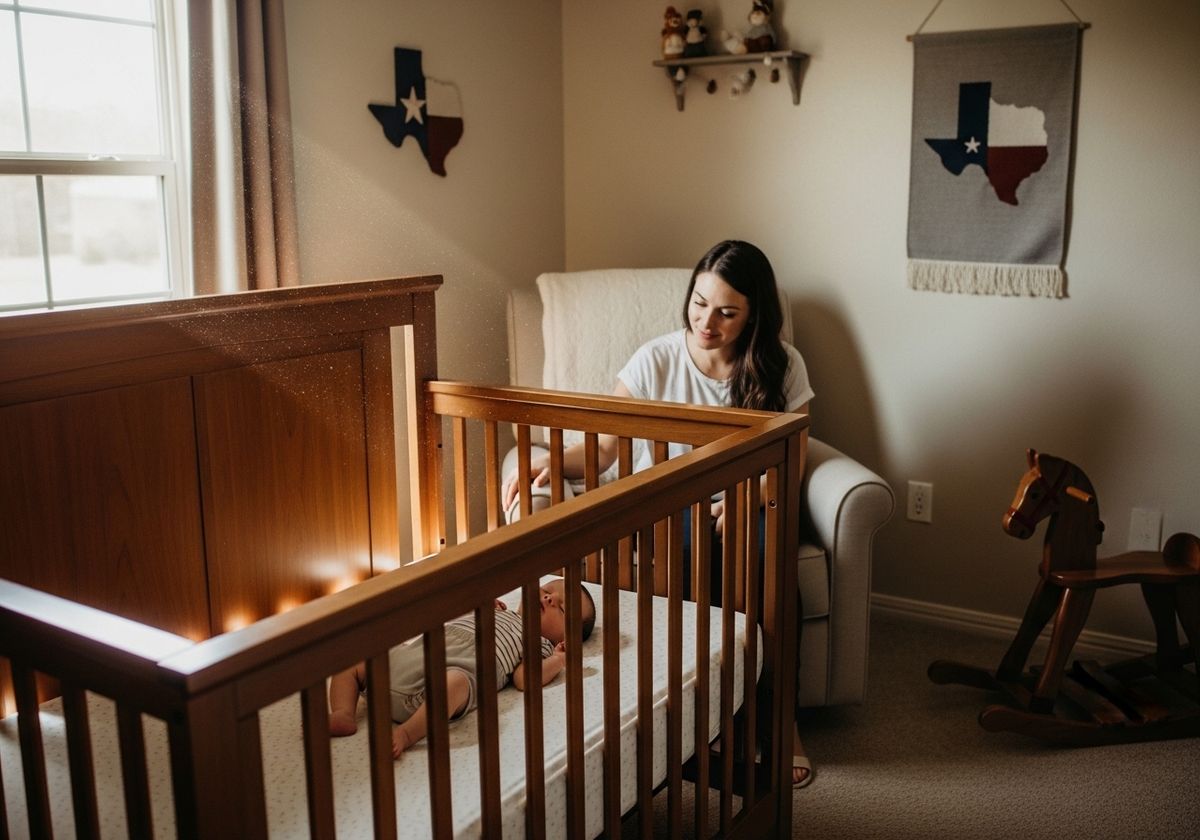
Bringing a newborn home is a joyous occasion, but it also comes with many responsibilities, especially ensuring your baby's safety. One of the most important things you can do is follow safe sleep practices to reduce the risk of Sudden Infant Death Syndrome (SIDS) and other sleep-related dangers. Let's explore these practices, keeping in mind that Sleep is a human need, so Let Mommy Sleep serves all humans.

The ABCs of Safe Sleep
The American Academy of Pediatrics (AAP) recommends following the ABCs of safe sleep:
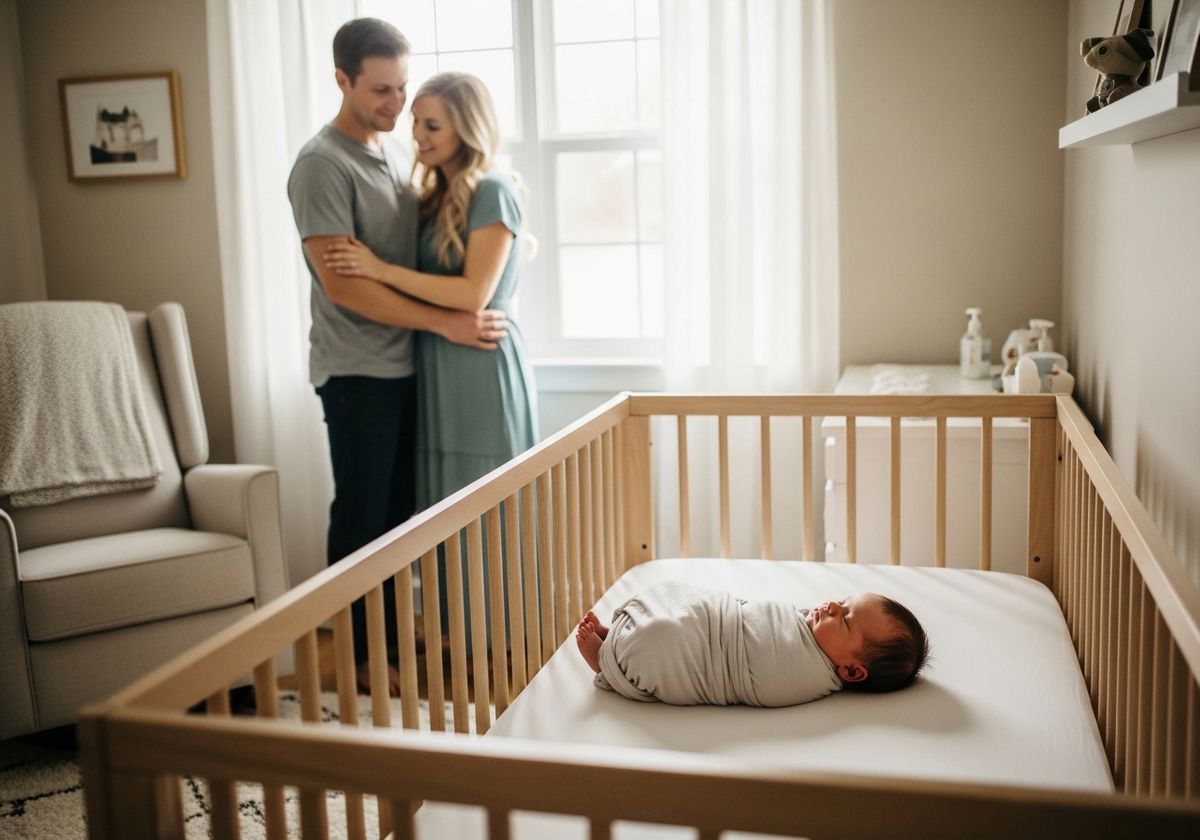
Alone: The baby should sleep alone in their crib or bassinet. No pillows, blankets, toys, or bumper pads should be in the sleep area.
Back: Always place your baby on their back to sleep. This position has been shown to significantly reduce the risk of SIDS.
Crib: Use a firm, flat sleep surface, such as a crib or bassinet, that meets current safety standards. Make sure the mattress fits snugly and is covered with a fitted sheet.
Creating a Safe Sleep Environment
Beyond the ABCs, consider these additional factors:
Room Sharing: The AAP recommends that babies sleep in the same room as their parents (but not in the same bed) for at least the first six months, and ideally for the first year. This can make it easier to monitor your baby and respond to their needs.
Temperature: Keep the room at a comfortable temperature, and avoid overdressing your baby. Overheating can increase the risk of SIDS.
Smoke-Free Environment: Exposure to smoke is a major risk factor for SIDS. Ensure that no one smokes around your baby or in your home.
Avoid Swaddling After the Baby Can Roll Over: Once your baby shows signs of rolling over (usually around 3-4 months), it's time to stop swaddling. A swaddled baby who rolls onto their stomach may have difficulty breathing.
Addressing Common Concerns
What if my baby spits up when on their back?: Babies have natural reflexes that prevent them from choking. In the rare event that a baby spits up, they will usually turn their head to the side.
What about inclined sleepers?: Inclined sleepers are not considered safe for babies and should not be used.
Is bed-sharing ever safe?: Bed-sharing is not recommended, especially for babies under four months of age, or when parents are under the influence of alcohol or drugs. It should especially be avoided if the baby was premature or of low birth weight.
Understanding and implementing safe sleep practices is crucial for protecting your newborn. By following the ABCs of safe sleep, creating a safe sleep environment, and addressing common concerns, you can help ensure your baby has a safe and restful night. Remember, resources like Let Mommy Sleep Texas are available to provide Overnight Newborn Care in Texas, connecting you with Newborn Care Specialists (NCS) and Postpartum Doulas in Dallas and Houston to support you through the transition to parenthood. Explore our Baby Basic Classes and Postpartum visits to gain more knowledge and hands-on help, so you can focus on bonding with your little one. Reach out today to learn more about how our Night Nurse Austin, Night Nurse Dallas, and Night Nanny Houston services can help your family!